
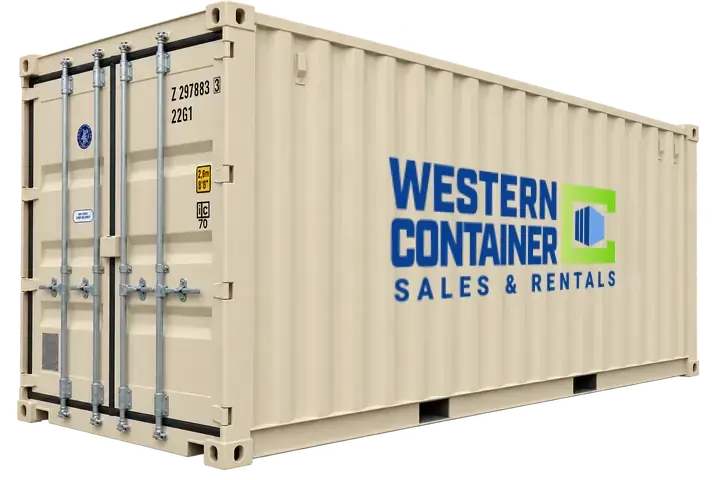
20ft Standard
20ft × 8ft × 8.5ft
Compact footprint. Full-width storage.
A 20-foot Standard container is often the practical choice when site space is limited or the project does not require the additional floor space of a 40-foot container.
Container Guide
Shipping containers come in several sizes and configurations. For most storage and shipping-container projects, the first decision is whether you need a 20-foot Standard, 40-foot Standard or 40-foot High Cube container.
Compare dimensions, capacity, delivery considerations and common uses below, then explore current Buy or Rent options for the size that fits your project.
Western Container Sales commonly offers these three sizes for sale, and rentals where local inventory allows. Standard and High Cube are the primary type distinction on this site.
| Attribute | 20ft Standard | 40ft Standard | 40ft High Cube |
|---|---|---|---|
| Exterior length | 20ft | 40ft | 40ft |
| Exterior width | 8ft | 8ft | 8ft |
| Exterior height | 8.5ft | 8.5ft | 9.5ft |
| Relative footprint | Compact | Longer | Longer |
| Vertical capacity | Standard | Standard | Additional height |
| Delivery space | At least 75 feet | At least 120 feet | At least 120 feet |
20ft × 8ft × 8.5ft
Compact footprint. Full-width storage.
A 20-foot Standard container is often the practical choice when site space is limited or the project does not require the additional floor space of a 40-foot container.
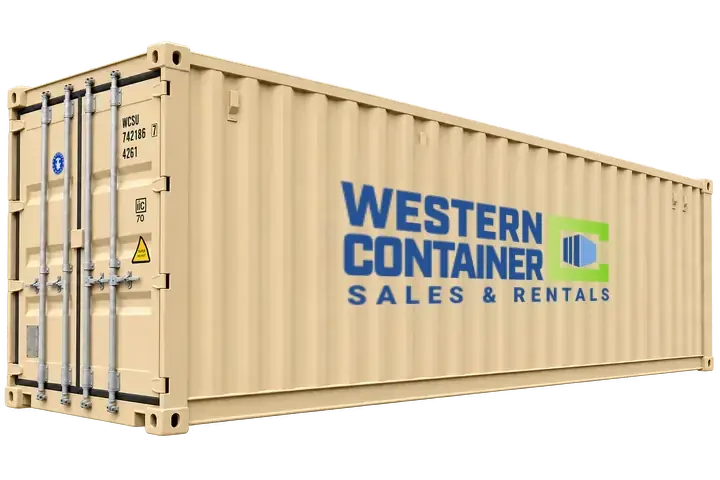
40ft × 8ft × 8.5ft
More floor space at standard container height.
A 40-foot Standard container provides roughly twice the exterior length of a 20-foot container and works well when storage capacity matters more than maintaining the smallest possible footprint.
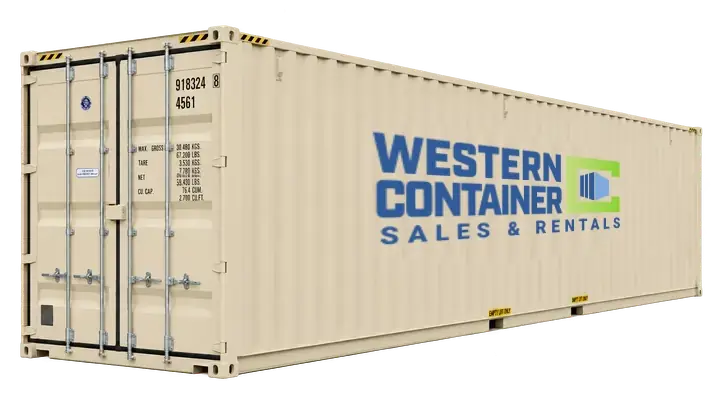
40ft × 8ft × 9.5ft
40-foot footprint with additional vertical space.
A 40-foot High Cube has approximately the same exterior length and width as a 40-foot Standard container but is one foot taller externally, providing additional vertical capacity.
Straight answers
Start with three constraints: how much you need to store, how much room is available for the container, and whether the site has enough clearance for delivery.
A 20-foot container uses less site space and is often easier to accommodate on constrained properties. A 40-foot container provides substantially more floor space. A 40-foot High Cube adds vertical capacity without increasing the 40-foot container's footprint.
Choose a 20-foot container when a smaller footprint is important or when the additional capacity of a 40-foot container is unnecessary.
Choose a 40-foot container when you need more floor space and the site can accommodate the longer container and its delivery requirements.
Container price is only one part of the decision. Delivery access and available placement space can determine which size is practical for a site.
Standard shipping containers are typically 8 feet 6 inches tall externally. High Cube containers add one foot of exterior height, making them 9 feet 6 inches tall.
The additional height can be useful when vertical storage capacity matters. For 40-foot containers, choosing between Standard and High Cube often comes down to availability, intended use, site constraints and whether the extra interior height provides meaningful value for the project.
High Cube is not universally better — it is a type choice for projects that benefit from the extra foot of height.
Size and ownership are separate decisions. First determine which container fits your project and site, then decide whether buying or renting makes more sense.
Buying can make sense for long-term storage or projects where you want to retain the container. Renting can make sense for temporary storage, construction projects, seasonal needs or situations with a defined end date.
Rental availability varies by market, so not every container size can be rented in every location.
Larger containers need more clear length for placement and for the delivery truck to maneuver safely. Your site needs room for the container itself, delivery equipment, and straight-line placement where applicable — and for pickup when you are renting.
After choosing a container size, consider which available condition fits the project. Western Container Sales commonly offers condition categories including One Trip, Cargo Worthy and Wind & Water Tight, depending on current inventory and location.
Or browse Locations We Serve · Buy shipping containers · Rent shipping containers